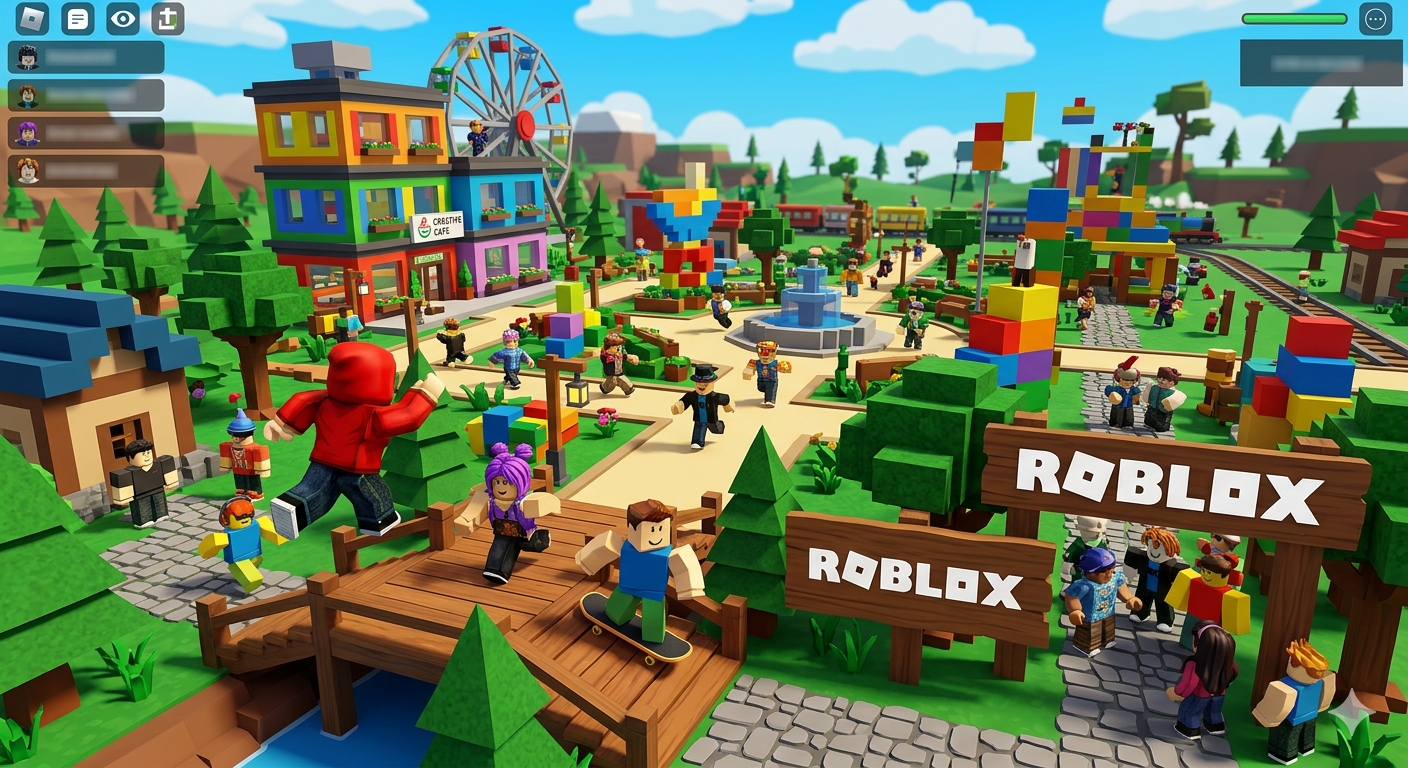
If you’ve ever told yourself you’ll save your Robux, only to spend it minutes later, you’re not alone. Almost every Roblox player experiences this internal tug-of-war. One side wants to hold onto Robux for something better, something bigger, something more “worth it.” The other side wants the excitement of buying something right now.
And most of the time, the second side wins.
This isn’t about lack of discipline or poor decisions. It’s a natural response to how rewards, excitement, and timing work together. The real challenge isn’t earning Robux, it’s holding onto it long enough for it to matter.
The Two Voices Every Player Has
When you have Robux, two thoughts usually show up almost instantly:
- “I should save this for something better later.”
- “This item looks good… I’ll just buy it now.”
That’s the core conflict.
Saving feels logical. Spending feels emotional.
And in most situations, emotions move faster than logic. That’s why even players who plan to save often end up spending anyway. The decision doesn’t always feel like a choice, it feels like a reaction.
Why Spending Feels So Easy
Spending Robux is designed to feel simple, quick, and satisfying.
Here’s why it’s so easy to do:
- Instant gratification: The moment you buy something, you see the result. There’s no waiting, no uncertainty—just immediate reward.
- Low friction: It only takes a few clicks. There’s no real barrier between wanting something and getting it.
- Emotional pull: Items are designed to look appealing, exciting, or exclusive, which makes resisting them harder.
- Short decision time: You don’t always give yourself enough time to think. The faster the decision, the more likely you are to spend.
All of this creates an environment where spending feels natural, and saving feels like effort.
Why Saving Feels Difficult
On the surface, saving Robux sounds simple: just don’t spend it. But in reality, it feels much harder.
Here’s why:
- Delayed reward: You don’t get anything immediately when you save. The benefit exists in the future, which feels less real.
- Uncertainty: You might not even know what you’re saving for. That makes it harder to stay motivated.
- Constant temptation: New items, upgrades, and offers keep appearing, making it harder to stay focused.
- Mental effort: Saying “no” repeatedly requires energy. Over time, that becomes tiring.
Saving isn’t just about not spending, it’s about consistently choosing the future over the present.
The Power of Small Decisions
One of the biggest reasons players struggle to hold onto Robux is that spending often happens in small amounts.
You might think:
- “It’s just a small purchase”
- “This won’t affect my balance much”
But these small decisions add up quickly.
For example:
- A few small purchases across different games
- Minor upgrades that seem harmless
- Cosmetics you only use once or twice
Individually, they don’t feel significant. But together, they slowly reduce your balance.
And because it happens gradually, you don’t always notice until it’s gone.
The “I’ll Save Next Time” Pattern
A common cycle many players fall into looks like this:
- Spend Robux impulsively
- Realize you wanted to save
- Promise to save next time
- Repeat the same behavior
This isn’t a lack of awareness, it’s a pattern.
The intention to save usually comes after spending, not before. By the time you decide to be careful, the decision has already been made.
Breaking this pattern requires shifting when you think, not just what you think.
Why Bigger Goals Don’t Always Work
You might assume that having a big goal, like saving for an expensive item, would make saving easier.
Sometimes it does. But not always.
Here’s why:
- Big goals feel far away
- Progress can feel slow
- It’s easy to lose motivation midway
When the reward feels distant, smaller temptations start to feel more appealing. You begin to think, “I’ll just spend a little now.”
And once that happens, the cycle resets.
The Role of Impulse Control
Impulse control plays a huge role in how players manage Robux.
But impulse control isn’t about completely stopping yourself, it’s about creating a pause.
That pause is powerful.
Even a few seconds of thinking can change your decision:
- “Do I really want this?”
- “Will I still care about it tomorrow?”
- “Is this better than what I’m saving for?”
Without that pause, decisions happen automatically. With it, they become intentional.
Why Regret Happens After Spending
Have you ever bought something and then lost interest in it quickly?
That’s a common experience.
It happens because:
- The excitement was temporary
- The item didn’t match your expectations
- The value didn’t last as long as you thought
This creates a feeling of regret, not because the purchase was bad, but because it didn’t feel as meaningful as expected.
Players who notice this pattern start becoming more careful. They learn that not every exciting item is worth it.
The Balance Between Saving and Spending
Saving everything isn’t the goal. Spending everything isn’t ideal either.
The real goal is balance.
A healthy approach looks like:
- Spending on things you genuinely enjoy
- Saving for items that matter more
- Avoiding unnecessary purchases
This balance allows you to enjoy the present without losing control of the future.
Simple Habits That Make Saving Easier
You don’t need strict rules to manage Robux better. Small habits can make a big difference:
- Wait before buying: Give yourself time before making a purchase decision.
- Have a loose goal: Even a general idea of what you’re saving for helps.
- Limit small purchases: Be mindful of frequent, low-cost spending.
- Check your balance often: Awareness helps you stay in control.
- Learn from past purchases: Notice what felt worth it, and what didn’t.
These habits don’t restrict you, they guide you.
Why It Gets Easier Over Time
At first, saving Robux can feel difficult. But over time, it becomes more natural.
Why?
Because:
- You become more aware of your decisions
- You recognize patterns in your behavior
- You learn what actually feels worth it
Saving stops feeling like effort and starts feeling like control.
Final Thoughts
The struggle between saving and spending Robux isn’t about right or wrong, it’s about timing, emotion, and awareness. Spending feels easy because it offers instant satisfaction, while saving requires patience and control. But small, consistent decisions can change everything. Over time, those choices shape your balance and your experience. In the end, it’s not about never spending, it’s about knowing when to spend, when to wait, and what truly feels worth it.